
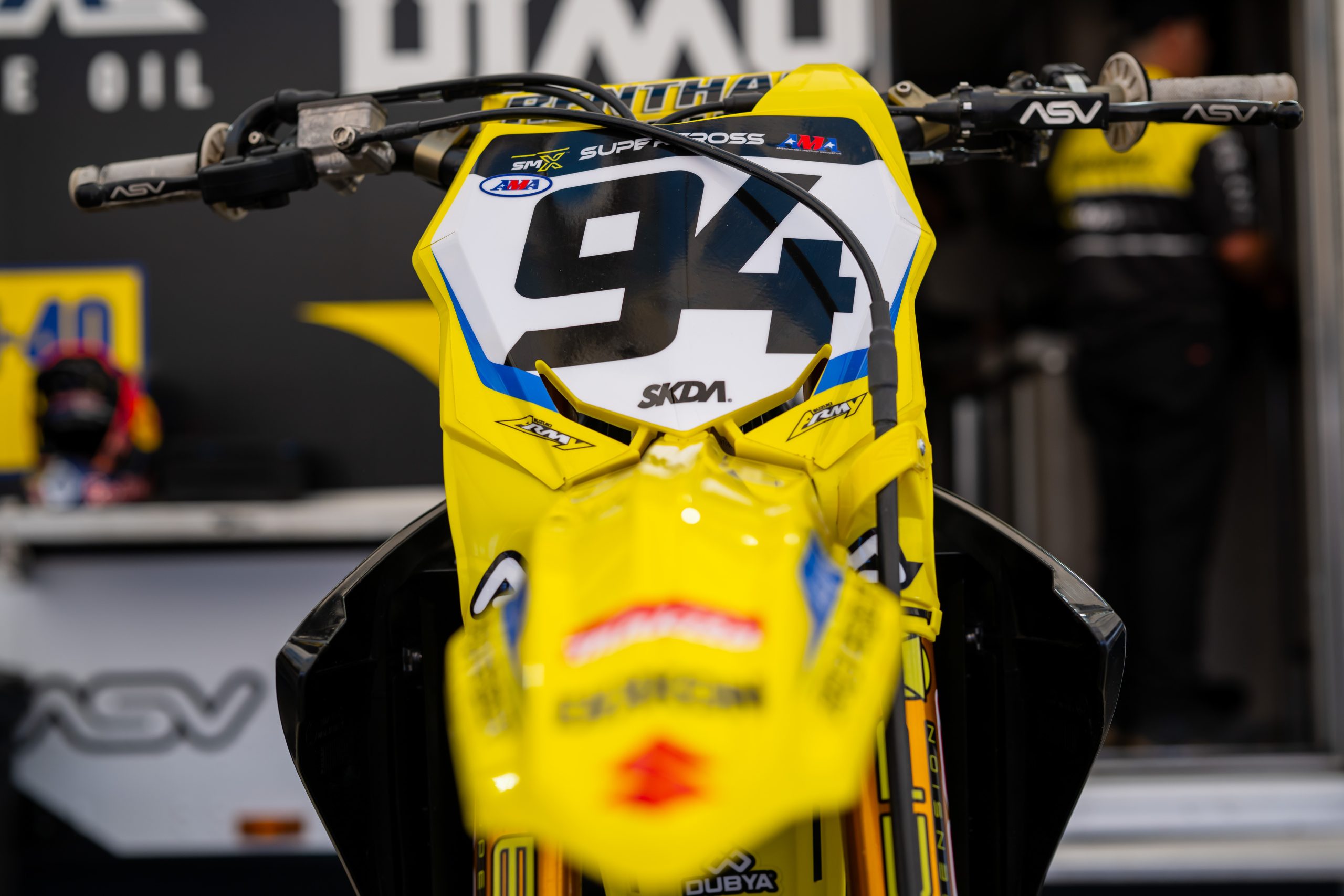
If you are a fan of the sport, you have heard a thousand times about the importance of bike setup at the top level. Hearing this each week has always made me wonder what exactly they are chasing. Are the small tweaks really making that big of a difference, or is it completely mental? The average guy like me can’t feel the difference in a few clicks of the suspension, but at the top of the sport it could make the difference between a win and a fifth. I sat down with Pipes Motorsports Group mechanic Josh Ellingson to try to get a better understanding of what it’s like setting up a bike for a top-level rider and what the mechanics can do to support them.
So my first question to Josh was where do you start with a rider, and the answer was surprisingly simple. You start with the rider cockpit. Setting up the rider triangle is the most important spot. This is adjusting things like the bars, levers, footpeg height, and seat height. You want to make sure that your rider has full maneuverability around the motorcycle. This starts stationary but develops in motion as well. You want to make sure the bike is balanced because if not this could lead to fatigue late in a moto if the rider is constantly working against the bike just to feel comfortable.
Once a rider is comfortable with the rider cockpit the biggest challenge becomes suspension. The goal with suspension setup is to get the bike to a place where you can just make minor adjustments on race day and not have to make big swings. Most teams have dedicated suspension technicians that are able to offer input on what changes can be made just by watching the motorcycle and listening to rider feedback. Testing is not something that is just an easy fix. Josh mentioned how testing could go on for weeks into the season and sometimes you just might not get it. However, when you can get to that sweet spot on race day you truly may be just a click away.
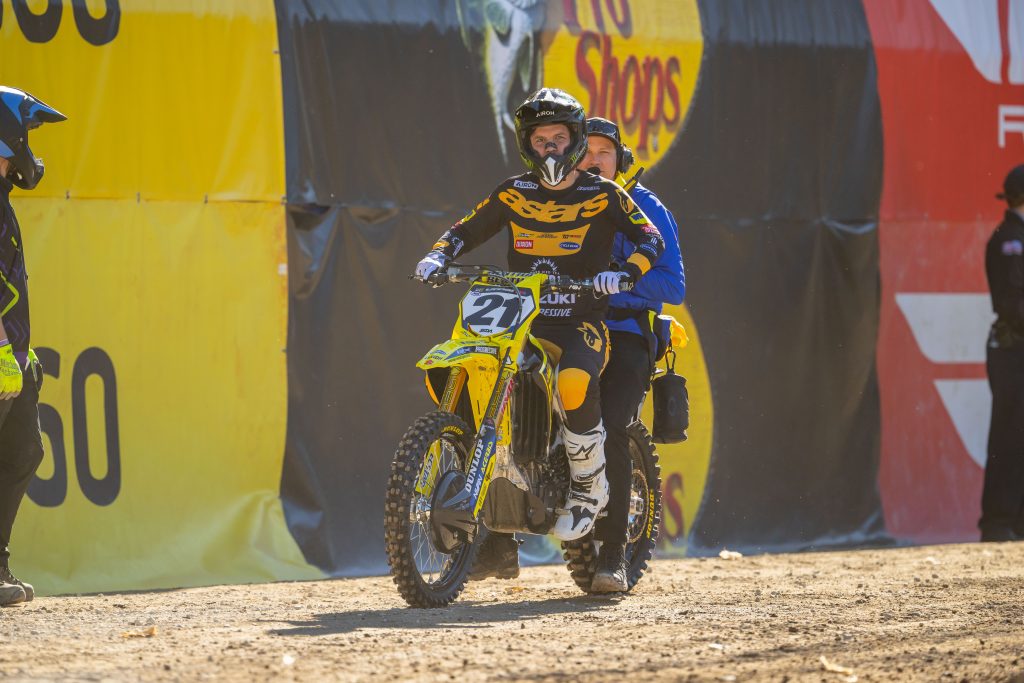 Josh spent a lot of years with the Star Racing program, one that is known for having a large team. I was curious to learn the difference in testing for a rookie 250 rider and someone like Cooper Webb. With the 250 program they have such a strong base setting that most riders start from there and make small adjustments to tailor it to them, basically having to earn the right to make the bigger changes. On the 450 side you are dealing with veterans that know what they need to be successful and can pretty much try whatever they feel will help. Now with that comes accountability if it’s not the right decision.
When does the testing go too far and who steps in to hit the reset? That is usually up to the team manager because they are typically leading the charge on testing and developing parts. Sometimes when you go back to the base you realize that you may have chased yourself out of a good area.
Every year we see riders switch teams and the new bike is supposed to be so much better, but how is that process for a rider switching brands? Josh says that it is really a 50/50 shot when a rider makes a team change. There are many instances where a rider makes a jump because they are not happy with the bike and it just doesn’t pan out. Then there are cases like Tomac in 2022 where he came out and pretty much won everything. One thing that can be true for both the rider and mechanic when making a team change is just the rejuvenation that comes from being around new people and new faces with everyone working toward a common goal. Josh experienced this firsthand this season with both him and Jason Anderson making a switch to PMG.
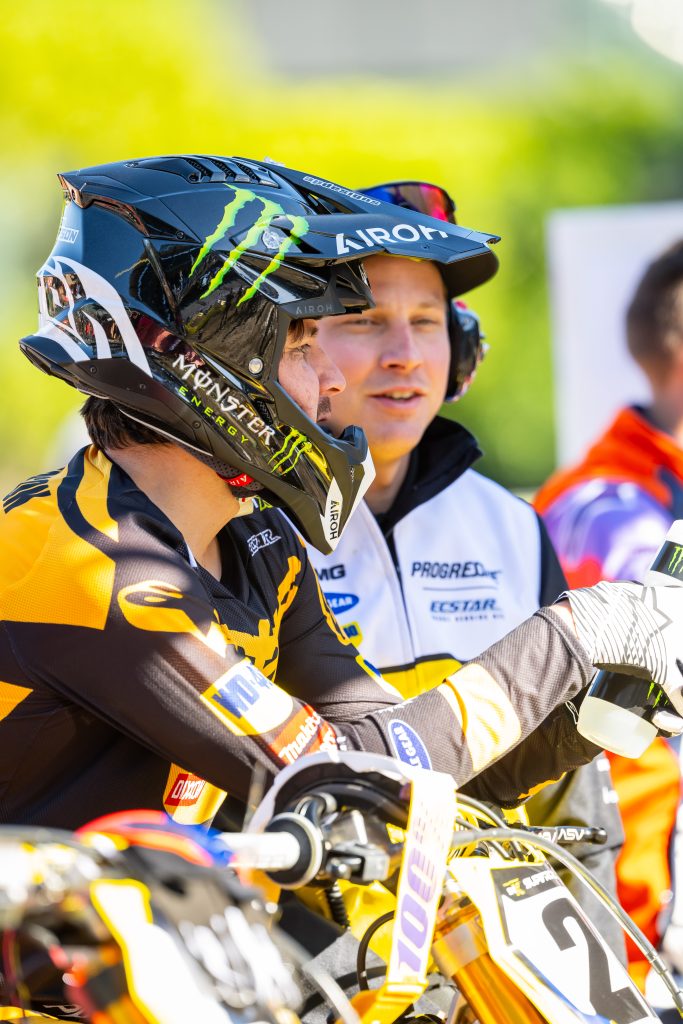 Lastly, I had to know, when you are talking about millimeters does it ever get frustrating from the mechanic’s point of view. This would drive me nuts, but for Josh it is just part of the job. Josh stated that while there are times it can be frustrating and a lot of work, when you have a guy that can win you are going to do whatever it takes to make sure he can win. The entire team is working together to be better every time.
For me this was cool to get a peek behind the curtain at what the teams are searching for. At the top level making sure a rider is comfortable makes a huge difference and everyone is working together to reach the goal. There are truly no limits that the factory teams won’t try to find success. I appreciate Josh taking the time to simplify it and break it down for an outsider like me.