
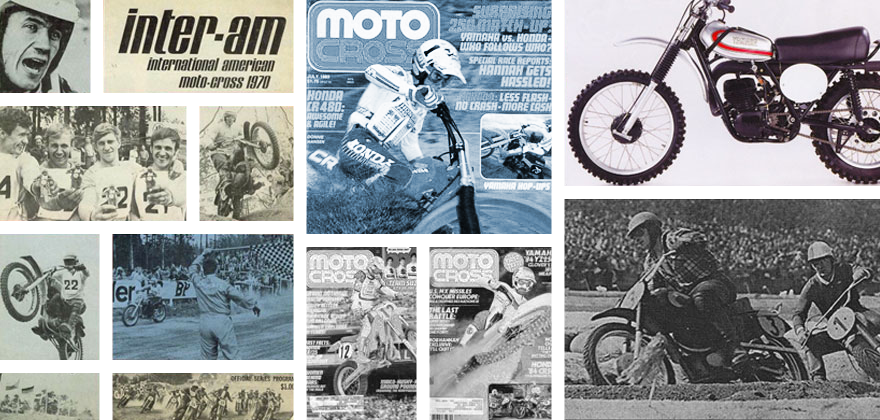

For this edition of Classic Steel, we are going to take a look back at Yamaha’s all-new YZ80 for 1986.
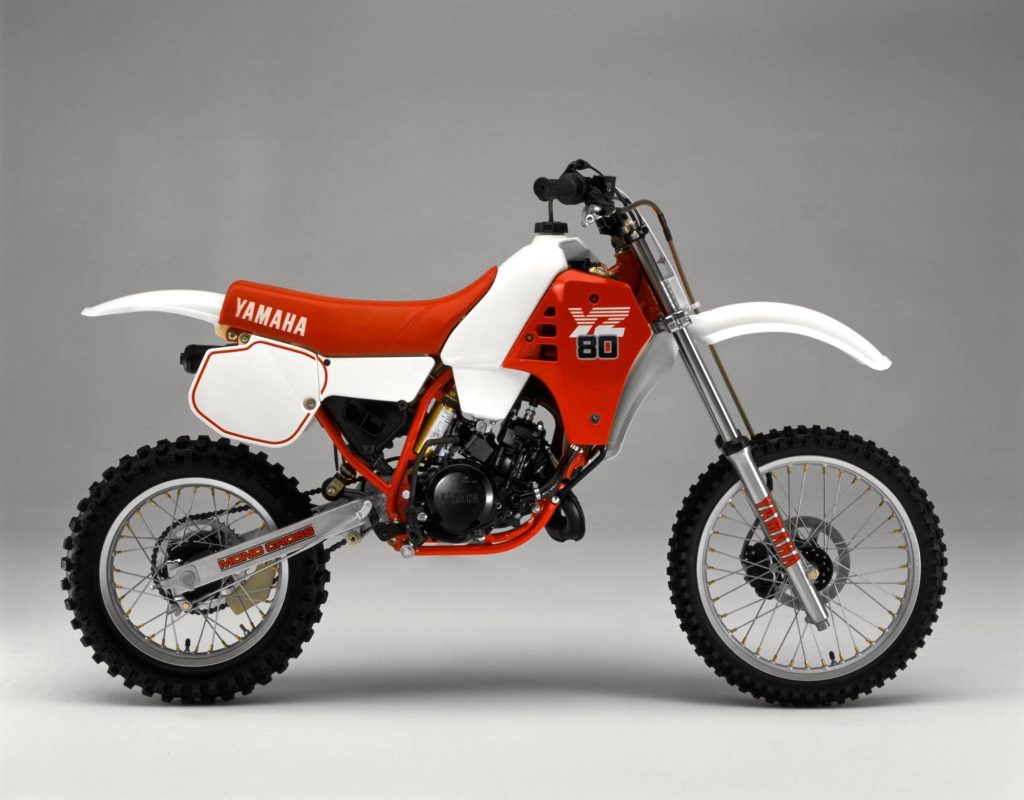
One of the winningest machines over the previous decade, the Yamaha YZ80 was updated with some significant improvements in 1986. Photo Credit: Yamaha
The 1980s were a time of great change in the mini division. Unlike today, where a mini might go decades without a significant update, the 80cc racers of the 1980s were on a steady diet of suspension, motor, and chassis updates. In some cases, the minis even got updates before the bigger bikes in their stable. Mini class racing was big business, and the Big Four were happy to pour countless resources into developing the ultimate 80cc machine to garner victories on the track and loyalty in the showroom.
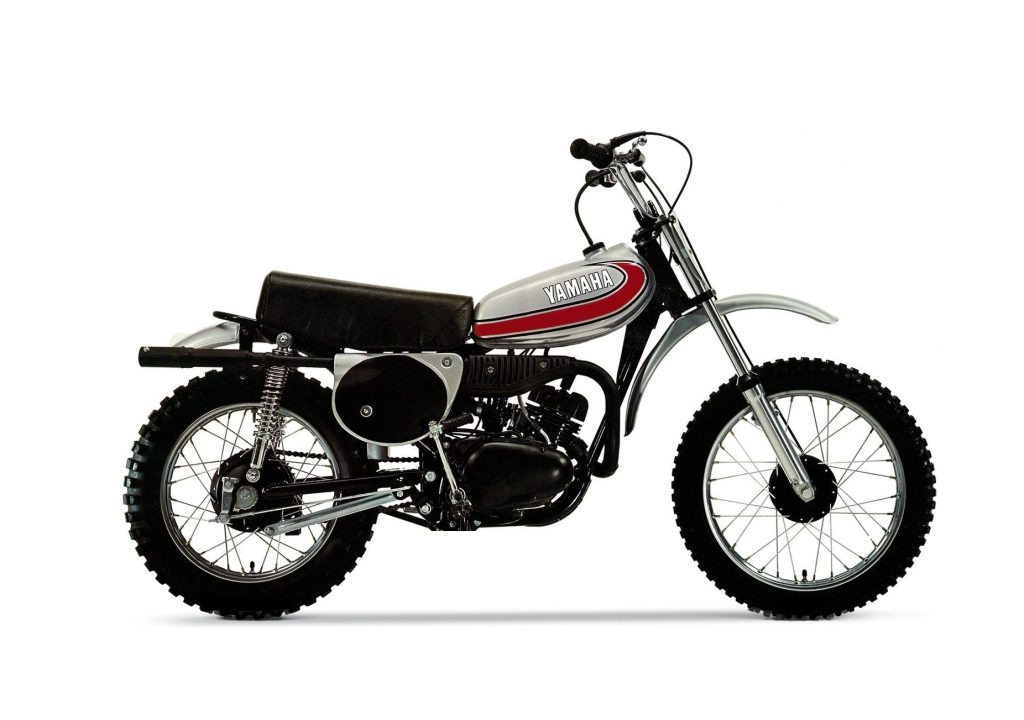 Launched for the 1974 season, Yamaha’s original YZ80 had a hard time outrunning Honda’s four-stroke XR75, but that power deficit quickly disappeared as Yamaha pumped up the performance of their mini two-stroke racer. Photo Credit: LeBig
Originally launched in 1974, Yamaha’s YZ80 started as a competitor to Suzuki’s TM75 and Honda’s successful XR75. Unlike the all-new ‘74 YZ125 and YZ250, however, the YZ80 was no high-strung works replica machine. Despite its racy name, the YZ80 was more of an upgrade to the existing GT-MX rather than a radically new racer. The YZ’s 72cc two-stroke motor was in an extremely mild state of tune and actually slower in stock trim than Honda’s four-stroke XR75.
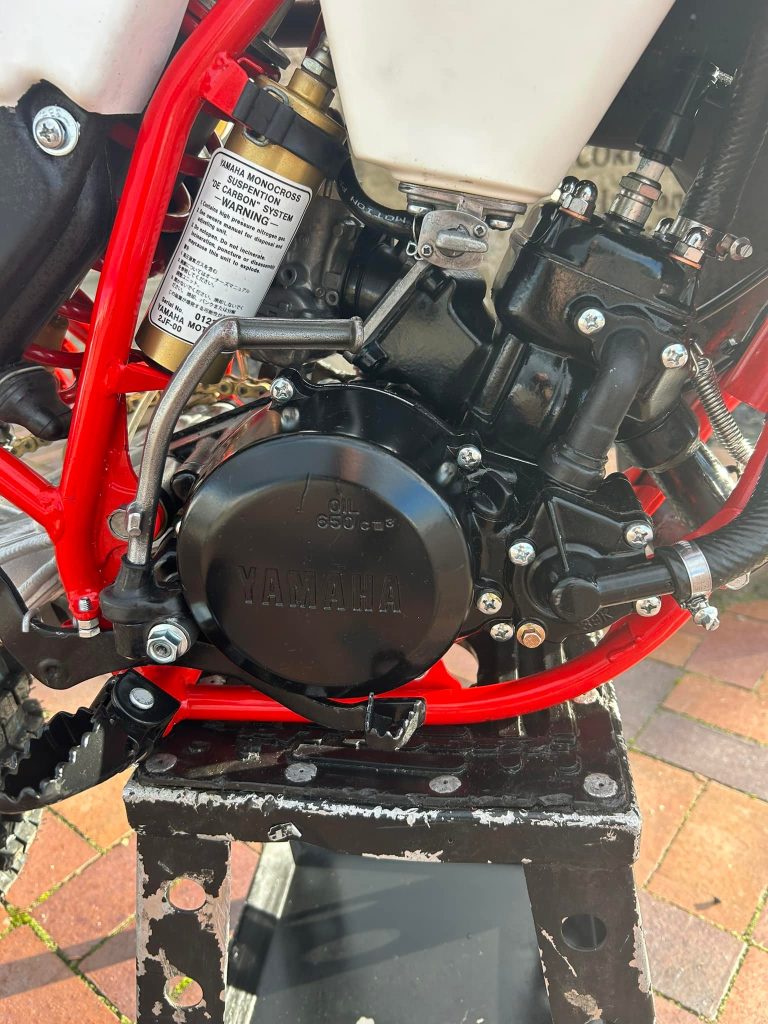 An all-new motor for 1986 featured a longer stroke, an all-new cylinder, revamped ignition, an all-new exhaust, and a more efficient water pump. Photo Credit: Restoration Cycle
In 1977, the Japanese mini competition got much steeper with the introduction of Suzuki’s all-new RM80. The smallest RM was a quantum leap ahead of the old TM75 and a legitimate competitor to the YZ. By this point, the performance of the stock Yamaha and Suzuki was well past what was available from the stock Honda, but it remained popular as a beginner machine and was still competitive as a racer if its rider (and their dad) were willing to pour money into modding its mild-mannered stock motor.
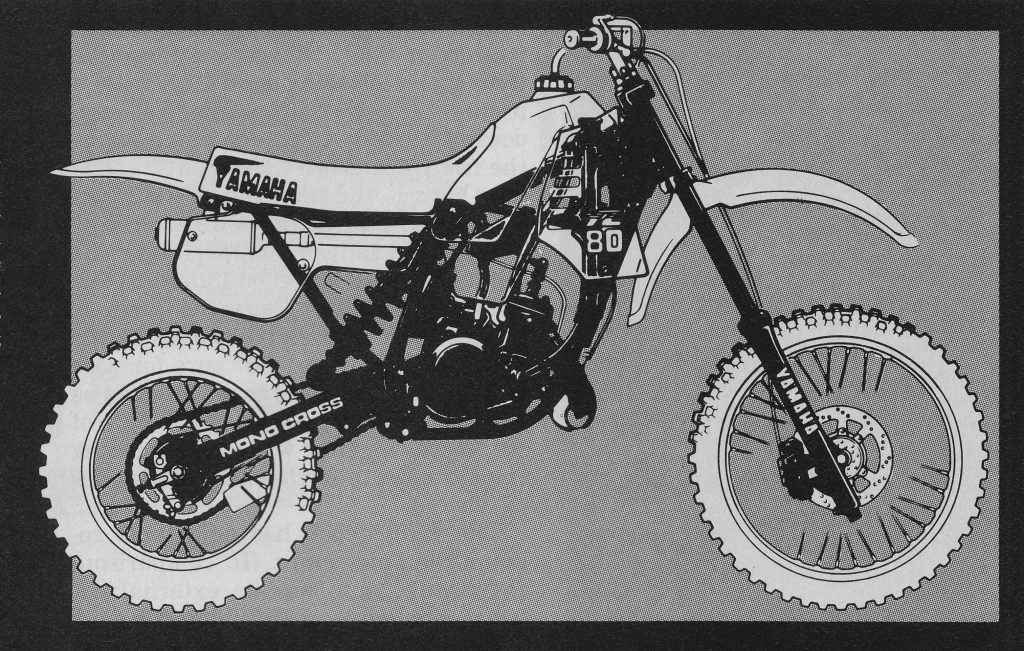 A revamped chassis for 1986 retained the basic geometry of the 1985 design, but added a stronger swingarm and additional frame gusseting to improve handling. Photo Credit: Yamaha
In 1979, Kawasaki finally entered the mini game with the first KX80, and a year later, Honda officially moved the XR75 to trail bike status with the introduction of the first CR80R Elsinore. With the arrival of Kawasaki and Honda’s two-stroke minis, the battle for 80cc supremacy was officially on.
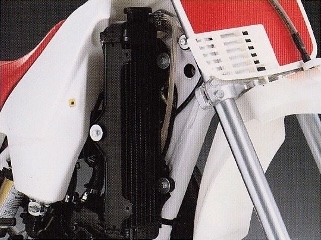 An all-new radiator for 1986 improved cooling by adding 5 percent more coolant capacity. Photo Credit: Yamaha
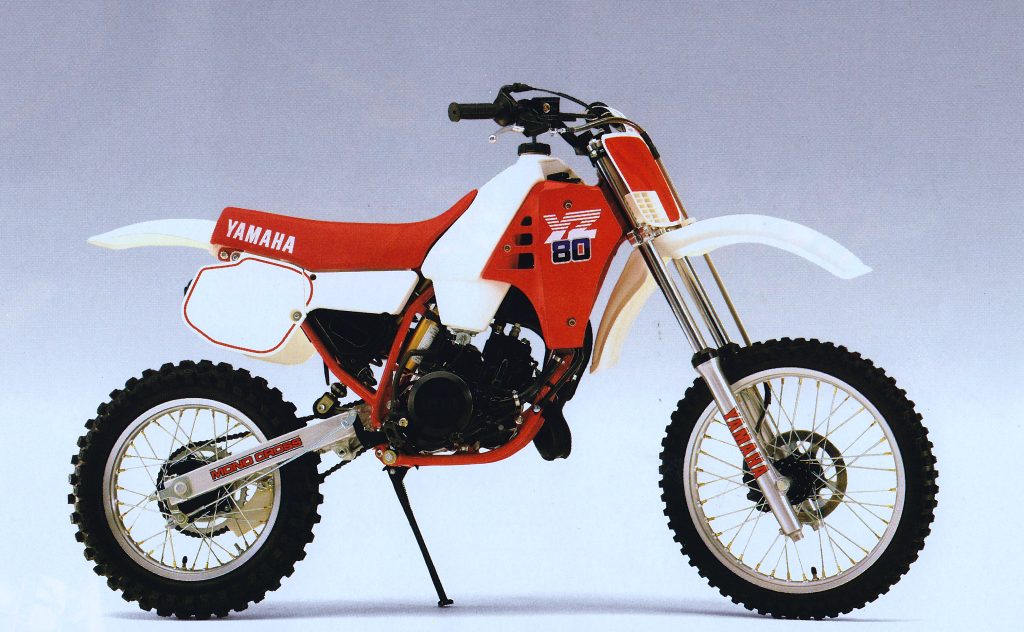 Most of the YZ80’s bodywork was a carryover from 1985, but an all-new tank and shroud gave the Yamaha mini an updated look while also moving the fuel lower on the chassis for improved handling. Photo Credit: Yamaha
By 1985, that power dynamic had swung dramatically in favor of Kawasaki’s KX80. Starting in 1982, the little green mini started producing the kind of broad and strong power that dominated the magazine standings and captured countless victories across the country. The KX80 became the 130-pound gorilla of the mini division from 1982 through 1985, turning starting lines green with screaming Kawasaki minis.
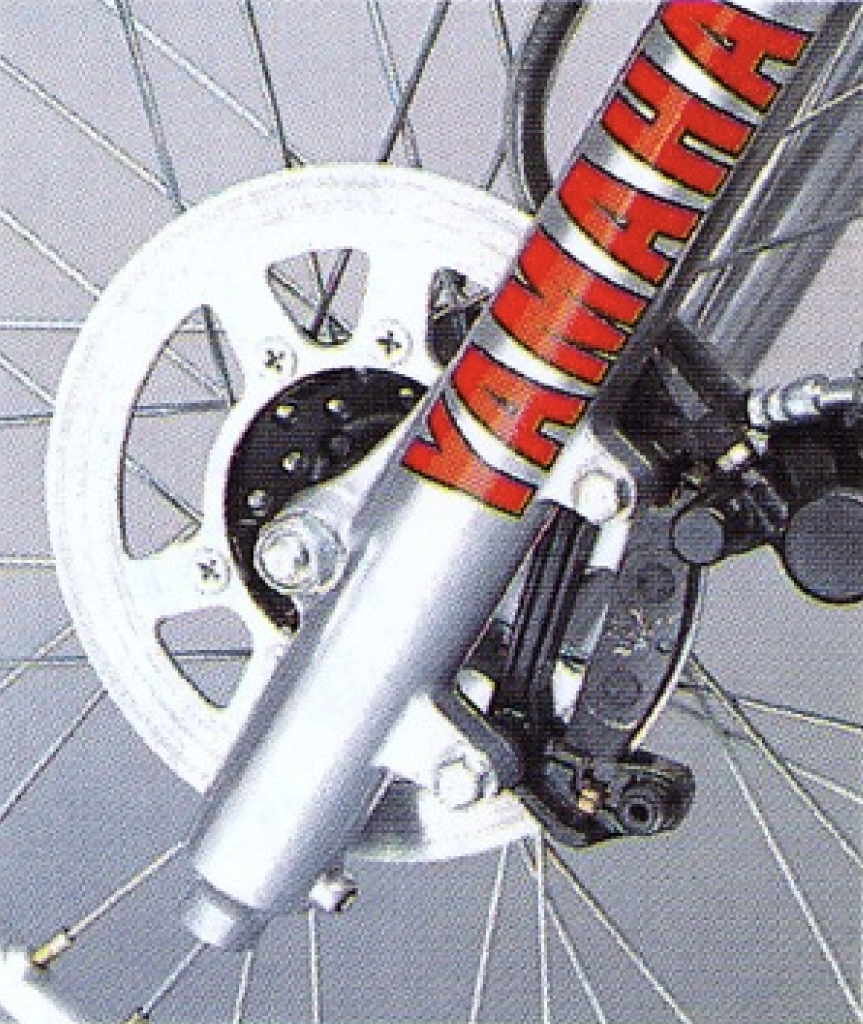 An all-new twin-piston caliper front disc binder upgraded the YZ’s stopping abilities immensely in 1986. Photo Credit: Yamaha
In 1985, Yamaha’s YZ80 was a decent performer, but its several-year-old design was starting to hinder its performance. The YZ’s 82.5cc single offered a strong low-end and solid midrange but not a lot of pull on top. It was faster than the equally old Suzuki and easy to ride, but not up to outrunning the Honda or Kawasaki. Its chassis was also a bit behind the best in the class, with a slightly cramped layout (for larger kids) and a tendency to kick in the rough. It was far from a bad bike, but most serious mini racers gravitated to the all-new Honda and class-leading Kawasaki in 1985.
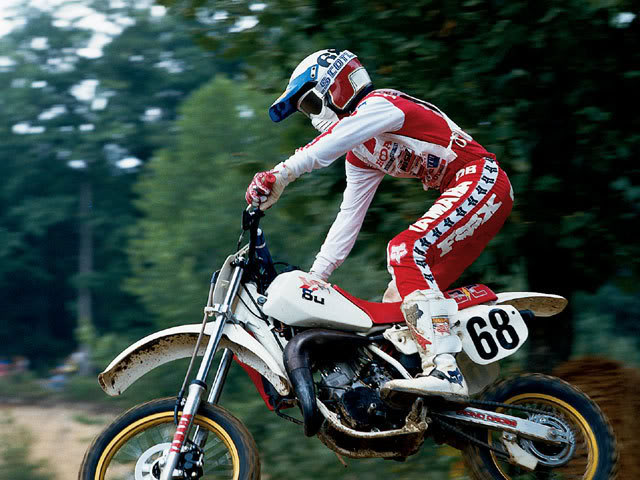 North Carolina’s Damon Bradshaw was Yamaha’s top mini hopeful on the all-new YZ80 in 1986. Photo Credit: Racer X
After several seasons of mid-pack finishes, Yamaha decided it was time to bring some additional ponies to YZ80’s stable for 1986. First up on the list of motor upgrades was an all-new crank that featured a 4.0mm longer connecting rod. An all-new top end was added that featured larger transfer ports and a decrease in head volume. The new cylinder sat 4.5mm higher on the cases, and that allowed the engineers to provide a straighter shot from the carburetor to the intake for improved fuel flow. New dowel pins were used to better align the cylinder with the head, and a revised ignition provided a hotter spark and slightly higher rev ceiling. As before, the revamped motor continued to lack the Yamaha Power Valve System (YPVS) found on the larger YZs. An all-new exhaust was bolted on to improve low-to-mid power, and a five percent larger radiator and improved water pump handled the increased heat from the spicier motor.
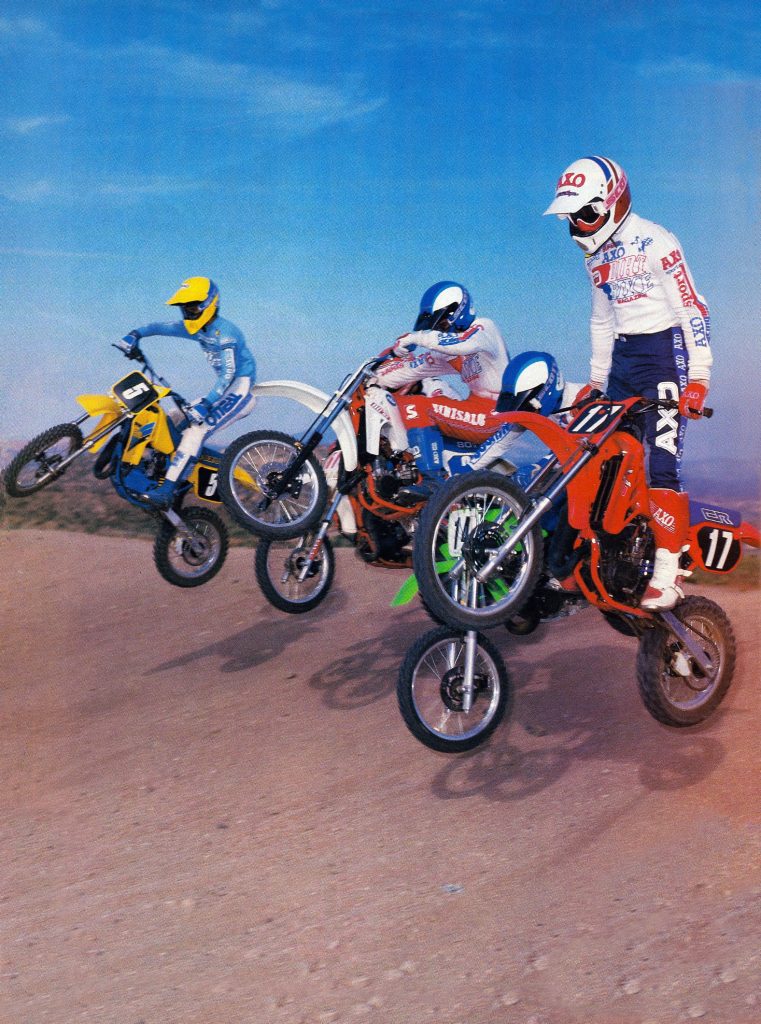 The 80cc class was one of the hottest contested classes in motocross in 1986. The KTM, Suzuki, and Kawasaki minis were all brand new or completely redesigned, while the Yamaha and Honda 80s both featured upgraded chassis and redesigned motors. Photo Credit: Dirt Bike
With the additional power, for 1986 Yamaha felt it was a good idea to beef up the YZ’s drivetrain. The clutch hub, basket, and pressure plate were all enlarged, and an additional steel drive plate and fiber plate were added to the basket. All the plates were increased in thickness by 0.4mm to improve durability. The clutch arm was also modified for smoother operation. The primary drive gears were changed from helical to straight-cut, and the ratios were altered for improved performance. The final drive ratio was also changed to work with the updated power plant by moving from a 15-tooth to a new 14-tooth countershaft sprocket for 1986.
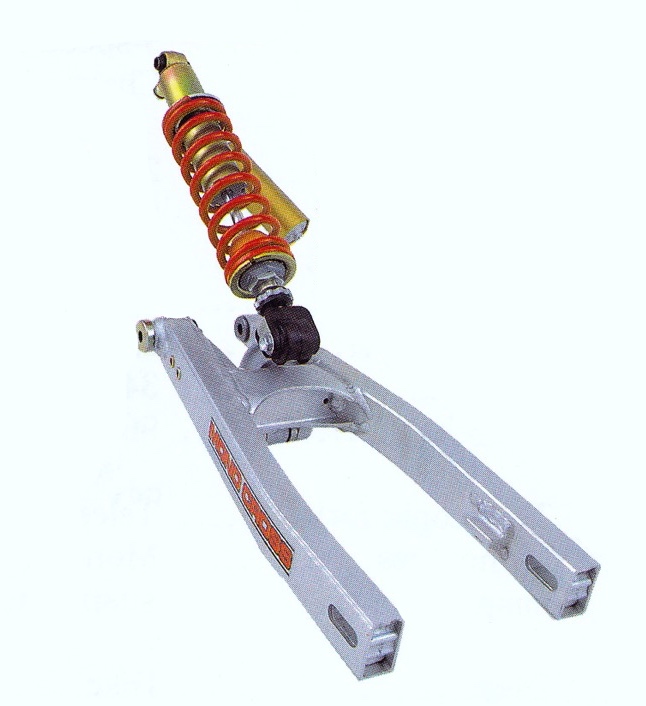 An all-new alloy swingarm for 1986 provided additional strength and shaved two pounds off the Yamaha’s chassis. Photo Credit: Yamaha
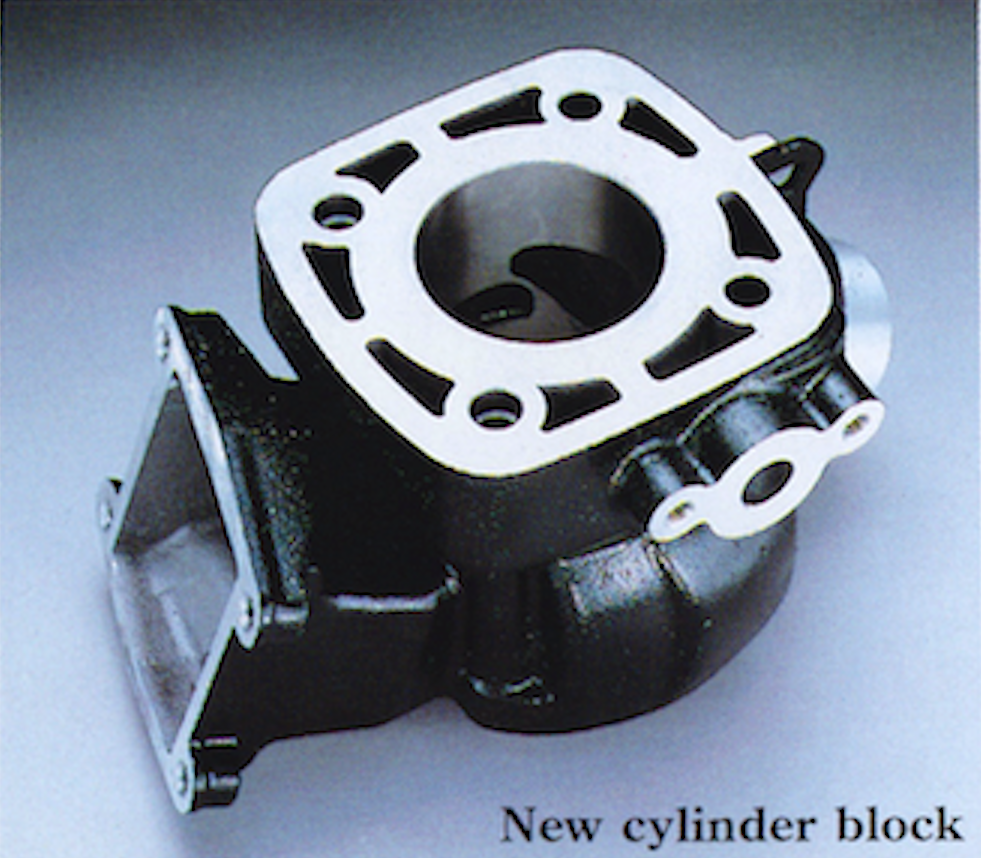 An upgraded cylinder for 1986 offered a straighter intake for improved fuel velocity and better sealing through the use of new dowel pins to center the head. Photo Credit: Yamaha
On the chassis front, the YZ80 received a few notable upgrades for 1986. By far the most significant of these was an all-new twin-piston front disc brake that replaced the drum of 1985. The rear brake remained a drum unit, but a new arm and revised brake pedal promised improved feel and power. Cosmetically, the most noticeable change for 1986 was the YZ’s all-new tank and shroud combo. The new tank slimmed the rider compartment, lowering the machine’s center of gravity by adding a works-style drop section to the right side of the tank. Paired with the redesigned tank was a revamped shroud that updated the YZ’s looks to match its larger brothers. The frame retained the same basic geometry as 1985 but added additional gusseting in critical areas. Aside from the new tank, shroud, and some Bold New Graphics, the rest of the YZ’s bodywork was unchanged from 1985.
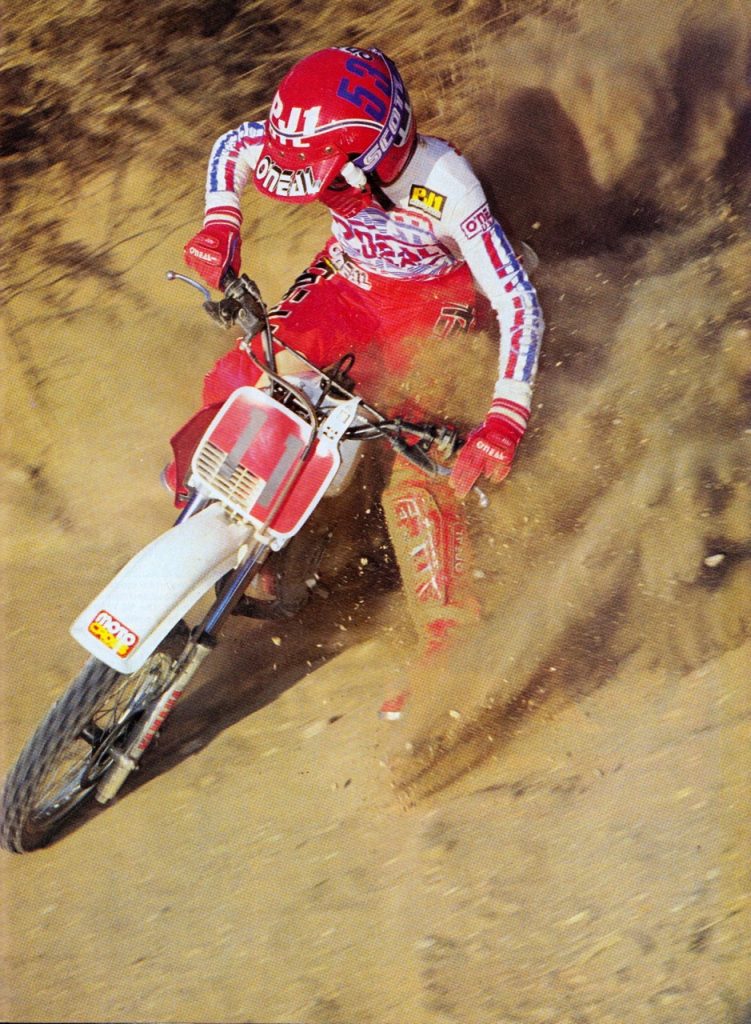 The YZ’s updated motor provided mini pilots with lots of berm-busting firepower in 1986. Photo Credit: MOTOCross
The Monocross rear suspension was largely a carryover, but a new aluminum swingarm added strength and saved two pounds over the ’85 model’s steel unit. The YZ’s Kayaba rear damper was unchanged aside from some valving adjustments. It delivered 10.2 inches of rear travel with ten available settings for rebound adjustment. Compression damping was set at the factory and was not externally adjustable.
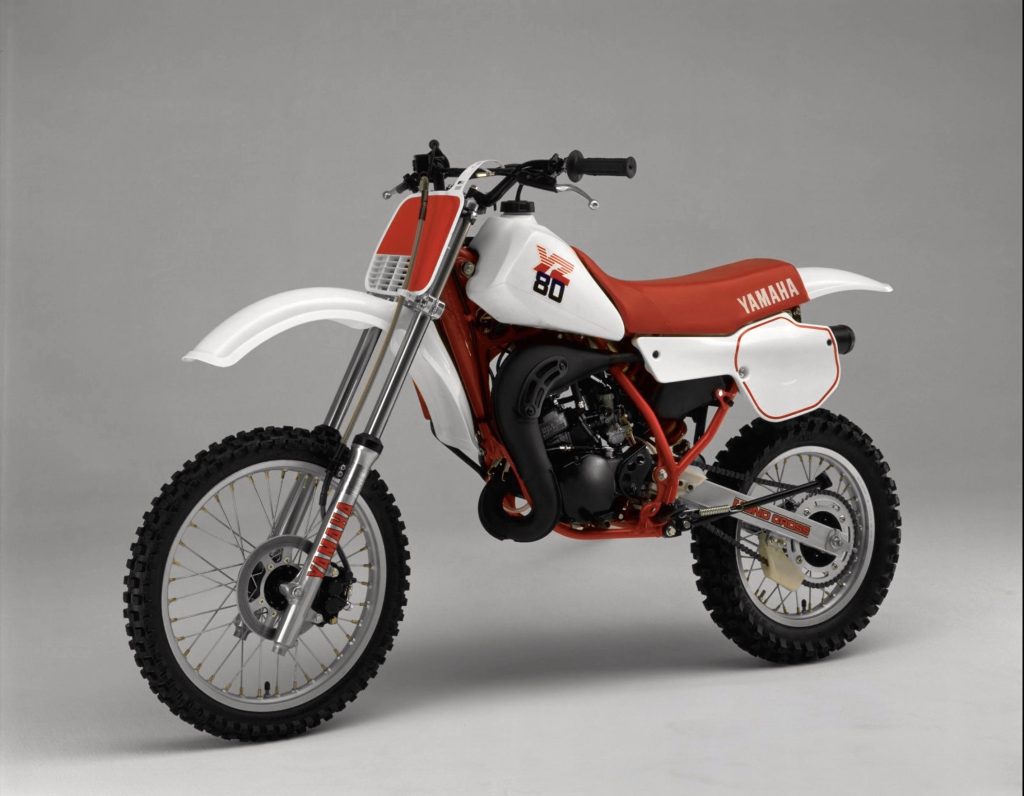
While many machines in the mini class got larger in 1986, Yamaha chose to keep the YZ’s size more beginner-friendly. Photo Credit: Yamaha
Up front, the YZ continued to use a set of 33mm Kayaba damper rod forks to handle the suspension duties. These 33mm legs were considered mini state of the art in 1985, but both the new KTM 80MX and Kawasaki’s revamped KX80 upped that ante by taking to the track with 35mm stanchions in 1986. With Honda and Suzuki both sticking with 33mm legs, this was not immediately disqualifying, but larger and faster kids noted the additional flex resistance the beefier 35mm forks provided.
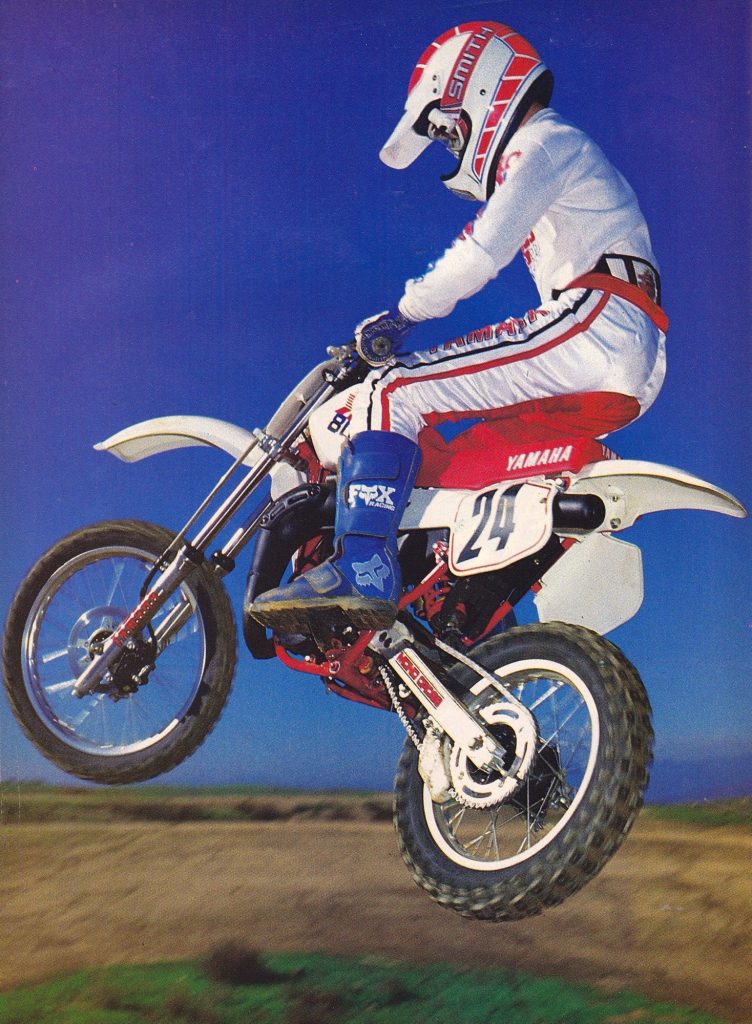 As long as you fit its smaller size, the YZ was an admirable handler and excellent flyer. Photo Credit: Motocross Action
Internally, Yamaha’s forks retained the same basic damping system they employed in 1985. Since none of the YZ’s mini competitors were ponying up the cash for a works-style cartridge valving system in 1986, this was not a significant disadvantage for the Yamaha. While the damping system remained unchanged, Yamaha did update the valving to improve performance. Unlike the rear shock, the YZ’s forks were not externally adjustable for damping. While this made it difficult to accommodate a wide range of rider skills and sizes, it was once again the standard for the class in 1986. If you wanted to adjust the YZ’s fork performance, you would need to do it through adjusting air pressure, changing the fork oil’s height or weight, or by swapping out the springs.
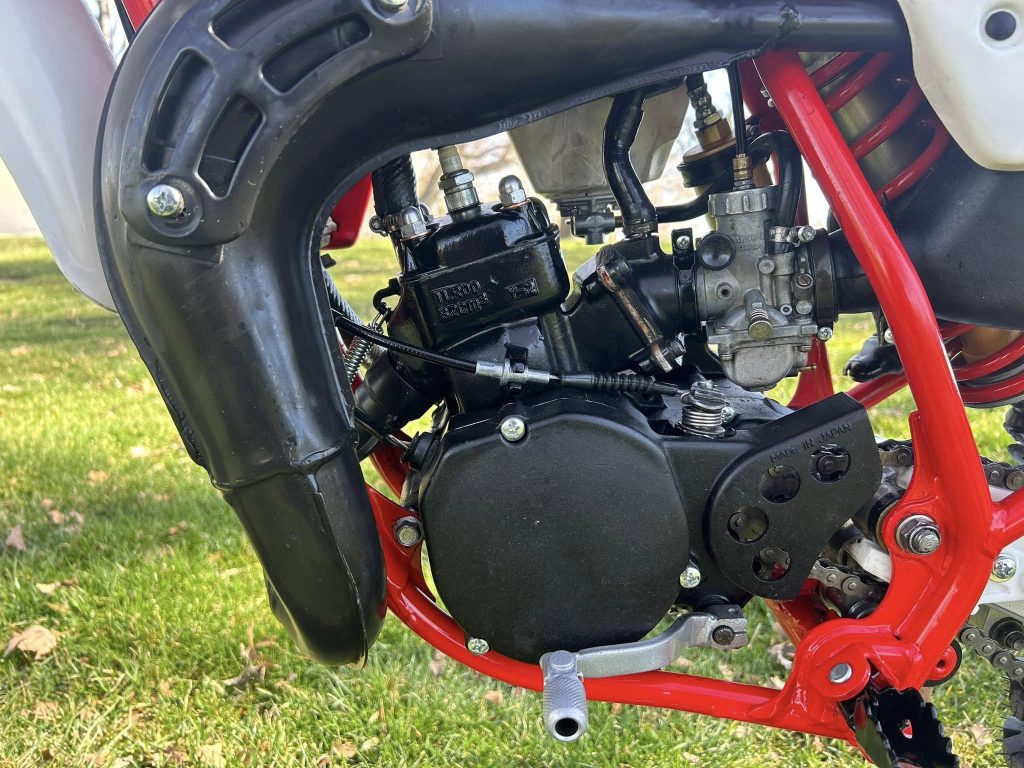 The new long-rod motor for 1986 pumped up the YZ’s low-end torque and midrange power considerably. It was not much of a revver on top, but most mini pilots liked its chunky delivery. Photo Credit: Restoration X Cycles
While the lack of external damping adjustments was not a major disadvantage compared to the competition, the YZ’s lower front travel figures could be seen as one. Their 10.0 inches of movement were the least in the class. That was a full inch less than the 35mm units found on the KTM. Even the similarly undersized 33mm Showa forks found on the Honda and Suzuki outstripped the short-legged Yamaha in travel.
On the track, the revamped 1986 Yamaha YZ80 was a noticeably improved machine. The new long-rod motor was super responsive with tons of snap down low and a barky mid-range blast. It rocketed out of tight turns and pulled onto the pipe without the need to keep the throttle pinned or ritually abuse the clutch. The new porting, longer stroke, and straighter intake gave the YZ an excellent powerband that was both fast and super easy to ride. The updated clutch was much improved, but the Yamaha’s six-speed transmission remained the notchiest cogbox in the class. A strong nudge and deliberate left foot were required to ensure the new gear was selected properly when under power. The YZ’s motor also ran out of steam a bit on top, but most riders below the expert division had nothing but praise for its chunky new power profile.
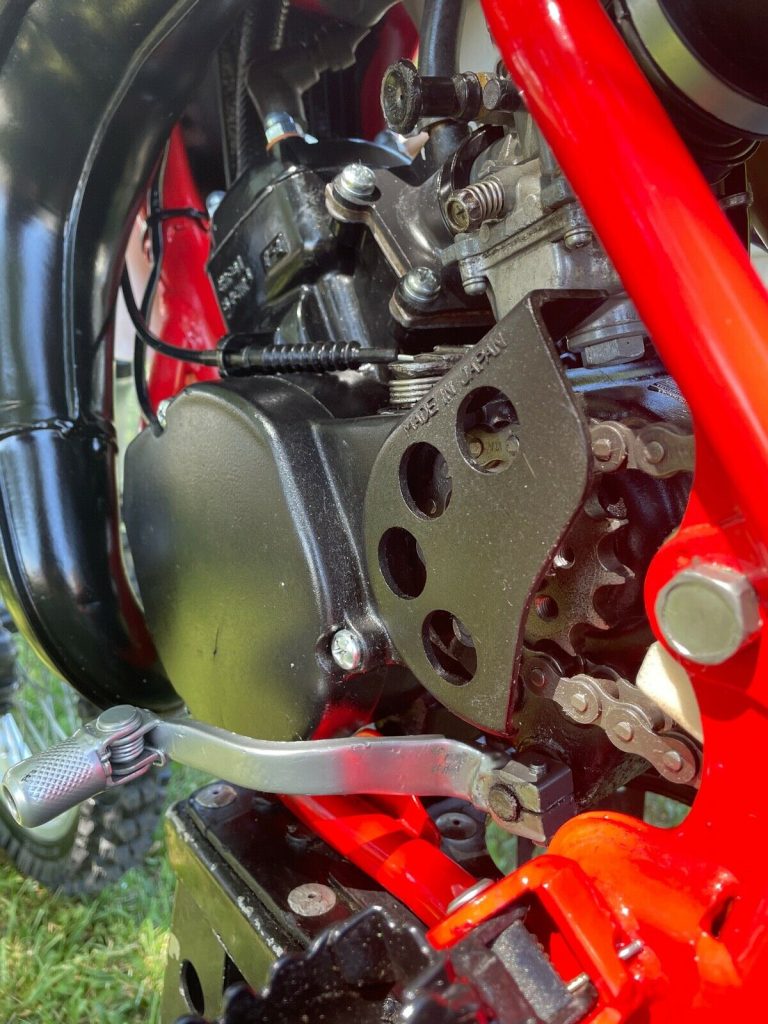 While the powerband was improved for 1986, the YZ’s notoriously recalcitrant transmission remained. Photo Credit: Restoration X Cycles
On the handling front, the YZ was a very capable racer. It was not quite as sharp in the turns as the CR, but most riders felt its turning manners were excellent. It carved rings around the KX and was more stable than the Honda and Suzuki 80s. It tracked straight through the rough and was a capable flyer. Fork flex was noted by some riders when really pushing, but it was not enough of a concern to dock the YZ’s overall handling. About the only real problem riders seemed to have with the YZ’s chassis was its overall size. Its dimensions were clearly aimed at smaller or younger riders, and that made it a tight fit for some. The seat was low, and the riding compartment was compact, leading to a bit of a scrunch if you hit your growth spurt before dad was ready to pop for that new 125. For older or taller kids, the roomier red, yellow, and green competition was probably a better fit.
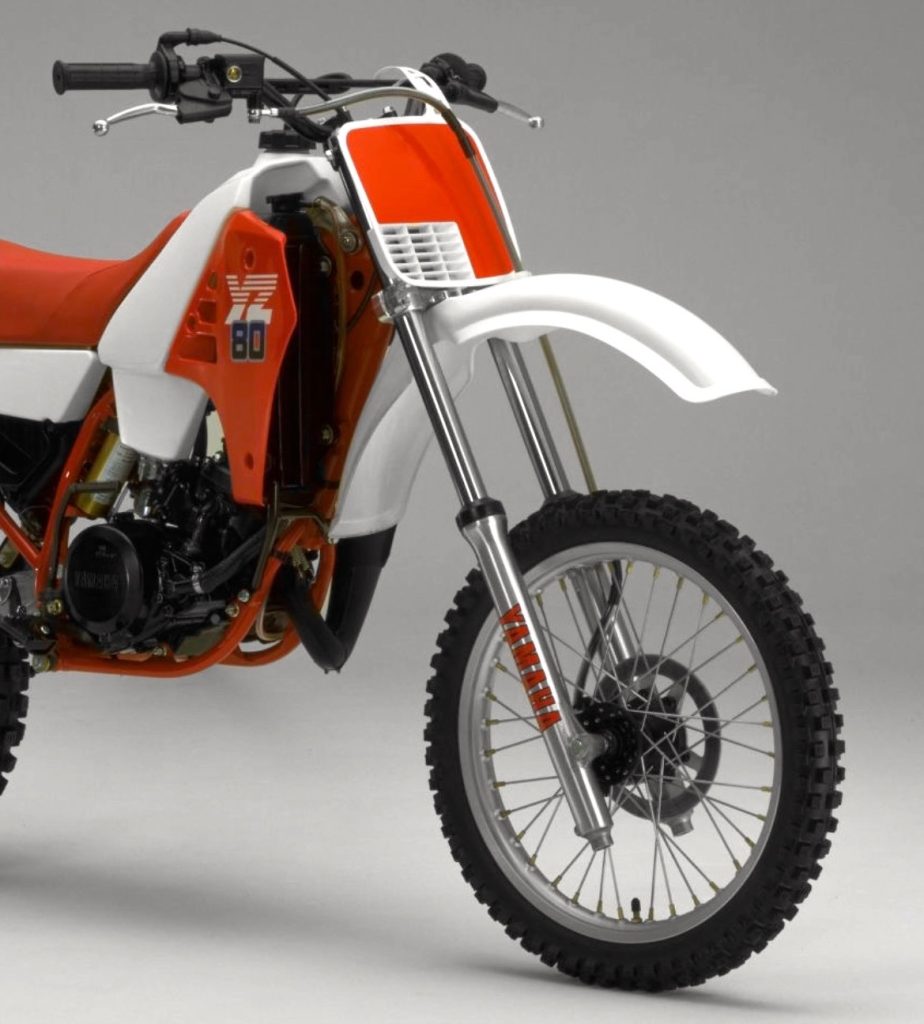
The YZ’s 33mm Kayaba forks were set up for very light or inexperienced riders. If pushed hard, they blew through their stroke and bottomed with a clank. Faster or larger guys needed stiffer springs and some oil fiddling to get the most out of the Yamaha’s chassis. Photo Credit: Yamaha
On the suspension front, the YZ was a bit of a mixed bag in 1986. Up front, the forks worked fairly well for lighter and less experienced riders, but the stock settings were too soft for hard chargers. They bottomed out with a metal-to-metal clank when pushed and were generally harsh in action. The aforementioned flex was also noted when pushing past the fork’s stock limitations, and some deflection was noticed on hard hits. None of the 80cc class forks were really world beaters in 1986, but even by that meager standard, the YZ’s forks were disappointing.
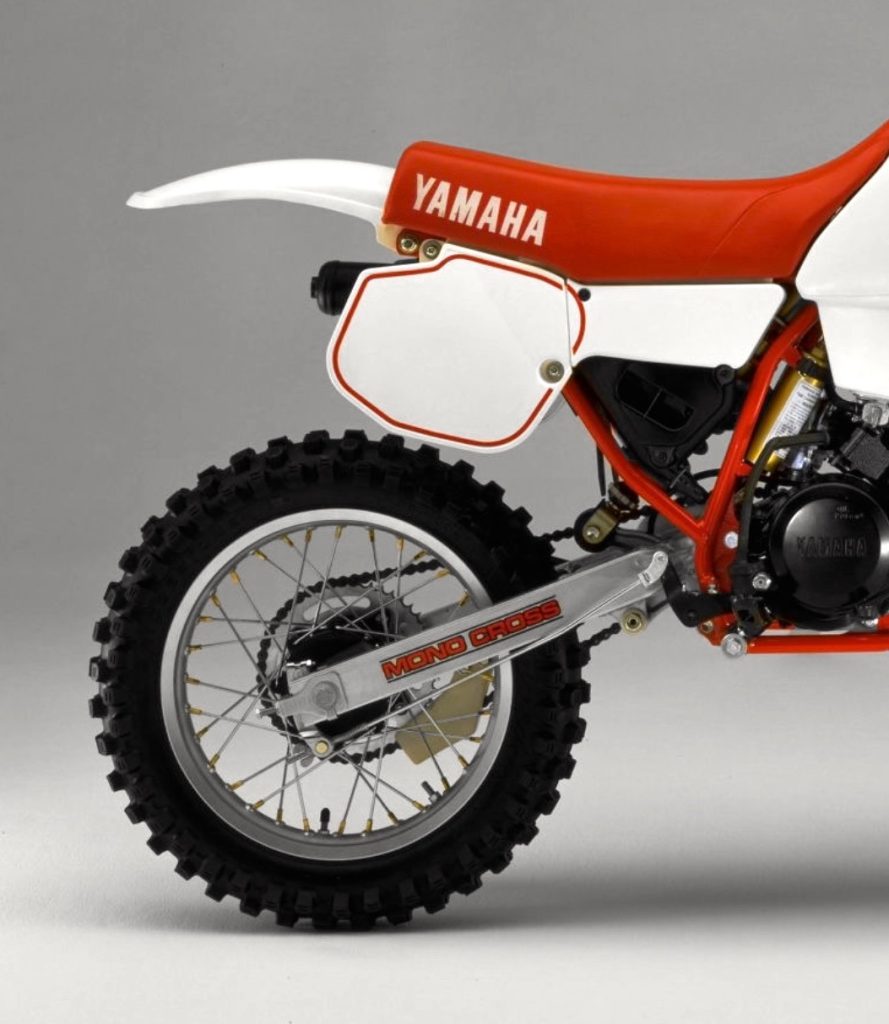
The Yamaha’s rear suspension was very well sorted in 1986. The shock was praised by fast kids while also being plush enough for most beginners. Both Motocross Action and Dirt Bike ranked it as the best rear suspension of ’86. Photo Credit: Yamaha
In the rear, the story was much more positive. The Monocross rear suspension was plush and well sorted, with a ride most pilots rated the best in the ’86 mini class. Big hits were taken well, and the YZ rarely kicked or did anything weird to scare Junior unexpectedly. It was equally capable in the small chop and braking bumps that seemed to flummox most of its mini competition. As long as you were in the stock damper’s target weight and speed demo, it was a very good rear end.
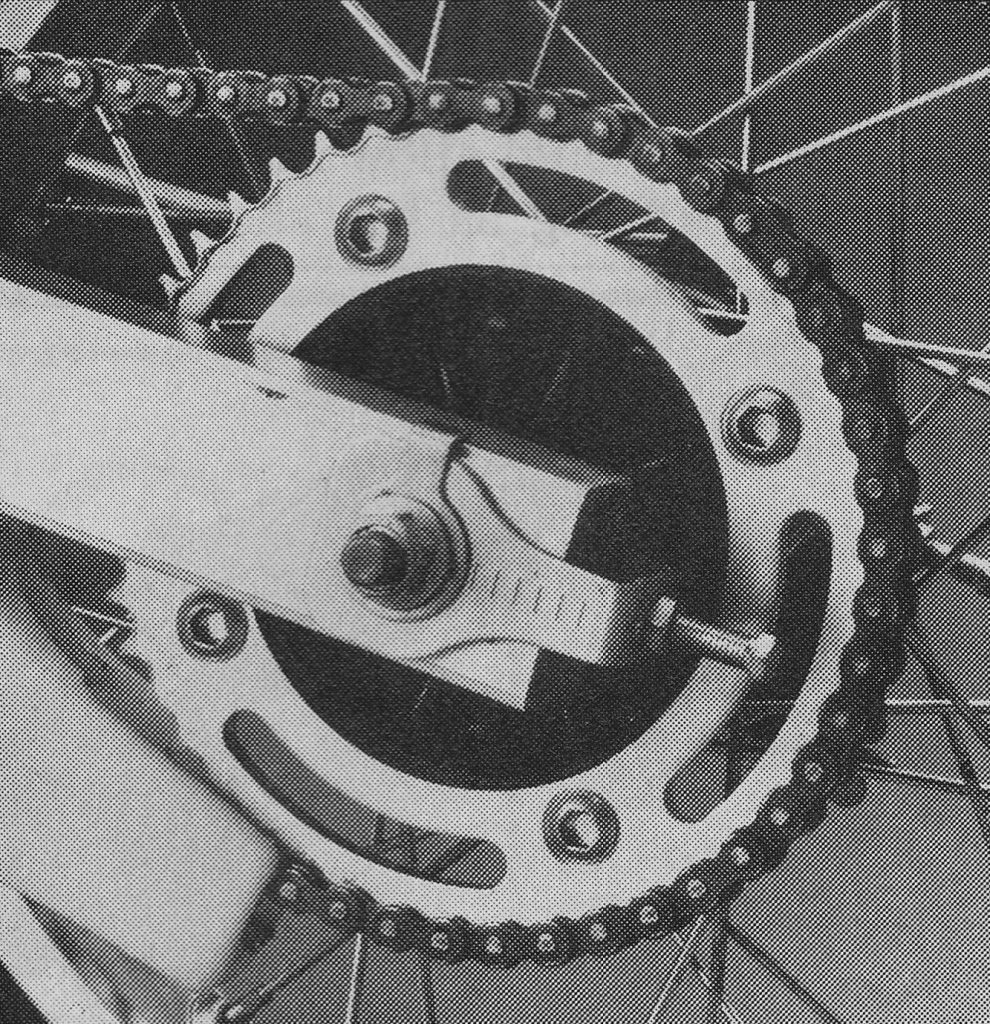 The YZ’s new alloy swingarm was very trick, but the stock steel chain adjusters were flimsy and prone to deforming. Photo Credit: Dirt Rider
On the detailing front, the YZ was a generally well-sorted machine for its time. The new disc front binder was a huge improvement over the ’85 model’s drum, but it remained a bit less powerful than the super-strong brakes found on the Kawasaki and Honda. The rear drum was very good as well and did a perfectly acceptable job of hauling down the white and red mini. The YZ’s motor was very reliable for a tiny high-strung two-stroke, and it kept right on roosting as long as you cleaned the filter regularly, ran good oil, and kept an eye on top-end maintenance. Provided you were not too big for its layout, the YZ was a comfortable machine. The bike was slim, and the seat was comfy. Taller riders were cramped, but if you were just moving up to an 80, the YZ was an ideal fit.
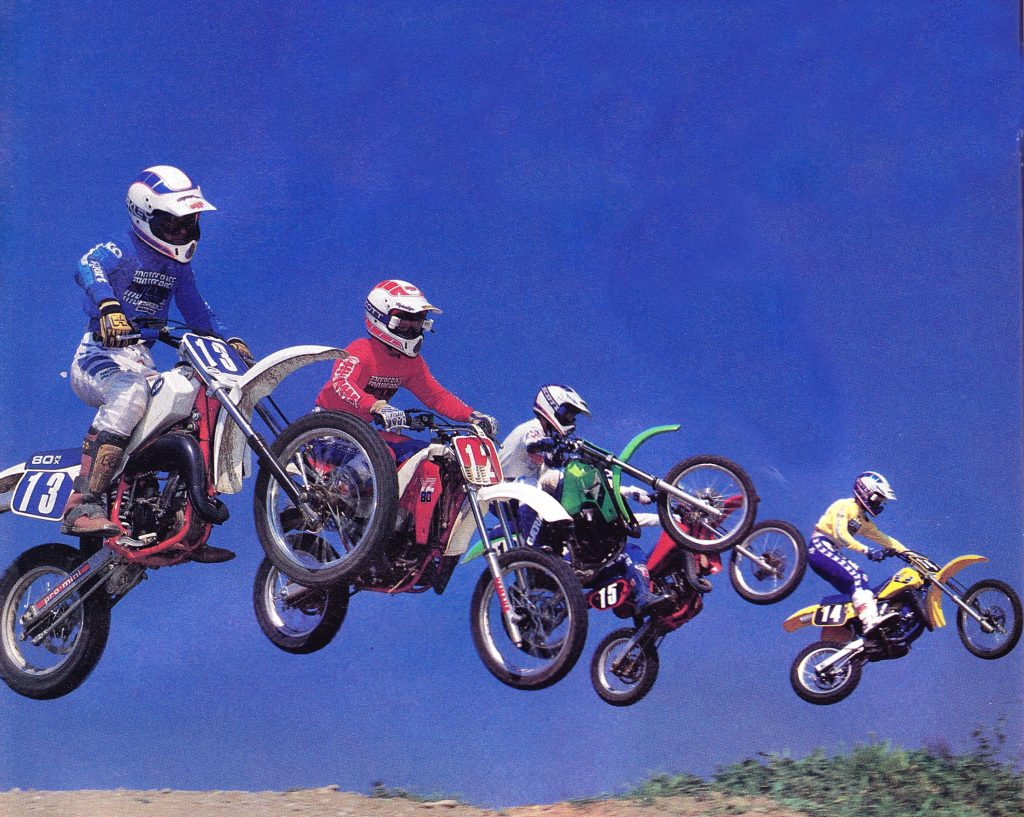 All of the mini contenders in 1986 had their virtues, but when you added everything up, Honda’s rocket-fast CR80R was the pick of most mini testers. Photo Credit: Dirt Bike
The stock steel bars were not likely to survive their first crash, and the stock grips were real palm chewers, but the stock levers were nicely finished. The new alloy swingarm was trick, but the spindly steel chain adjusters were too small and easily deformed. Once that happened, the wheel could become misaligned, leading to derailed chains and possibly broken cases. The stock plastic chain guide was also easily bent and damaged, and would have benefited from some sort of metal bracing to keep things rolling straight and true. The bolts, nuts, and screws used by Yamaha’s engineers were generally of modest quality, and it was advisable to use care when servicing the machine to avoid stripping them out. In fairness, this was the case with most of the minis in 1986, so the pot metal problem was not exclusive to Yamaha.
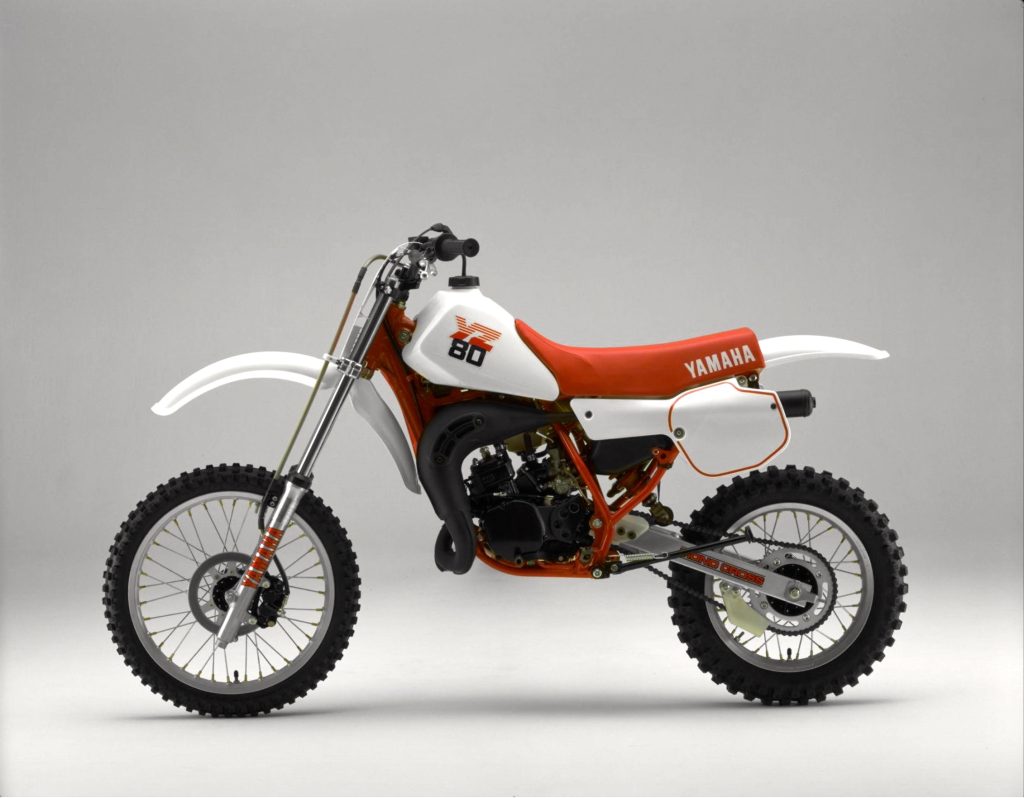
Yamaha’s YZ80 offered smaller riders a very capable mini package in 1986. It was a bit cramped for riders about to make the jump to 125s, and its forks needed a bit of help, but if you fit its chassis, it had the motor, handling, and rear suspension to put you at the front. Photo Credit: Yamaha
In the end, the 1986 YZ80 was a very solid choice for mini racing as long as you were not too big for its smaller proportions. Its revamped motor was snappy and responsive with tons of low-end torque that made it easy to keep on the pipe. Its shock was excellent, and its handling was a great combination of stability at speed and nimbleness in the turns. Its gearbox was notchy, and its forks required a bit of fine tuning, but overall, it was a great platform from which to start a career as the next Broc Glover or Scott Burnworth.