
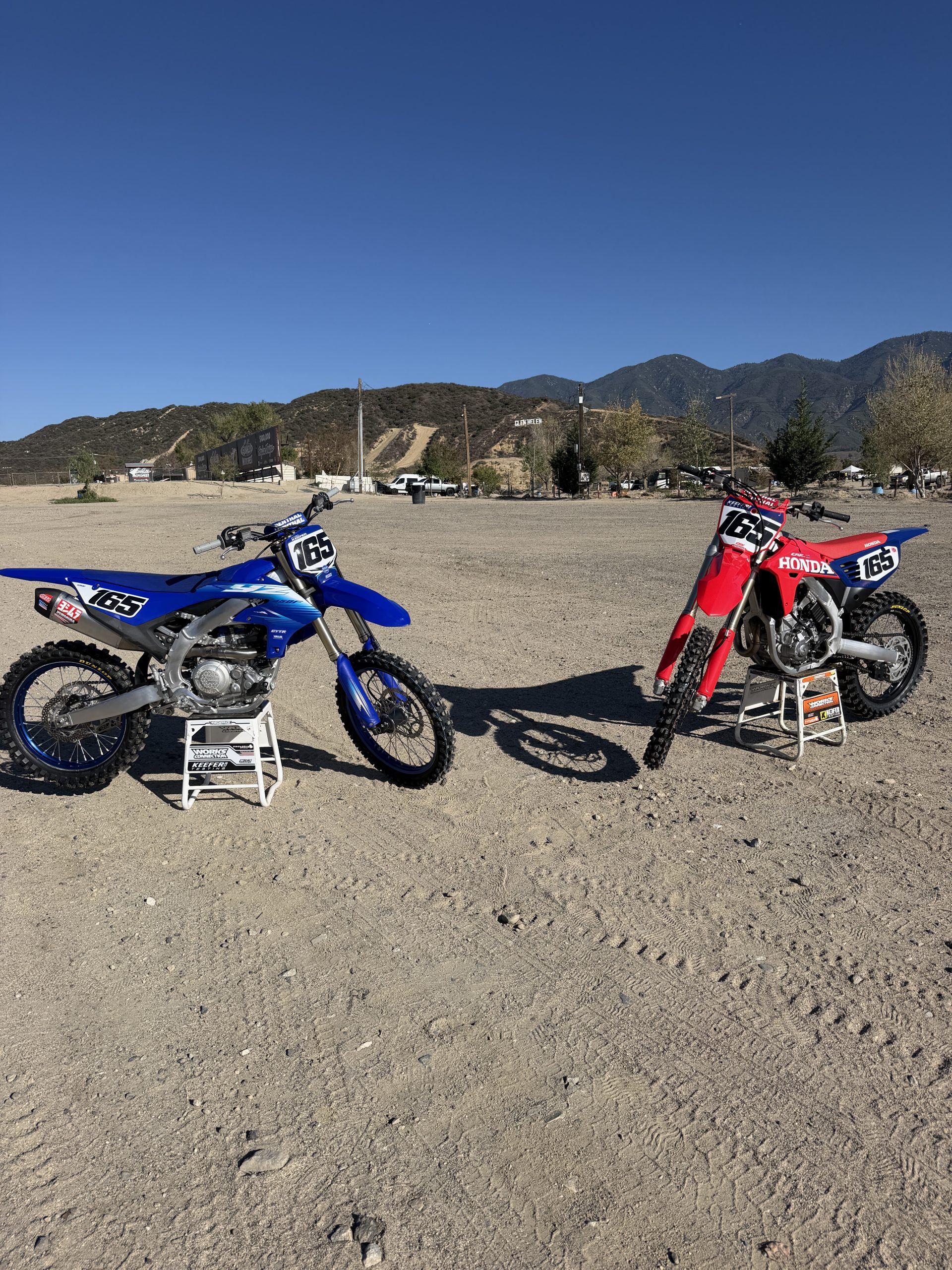
Which 450 Is Better on the Track?
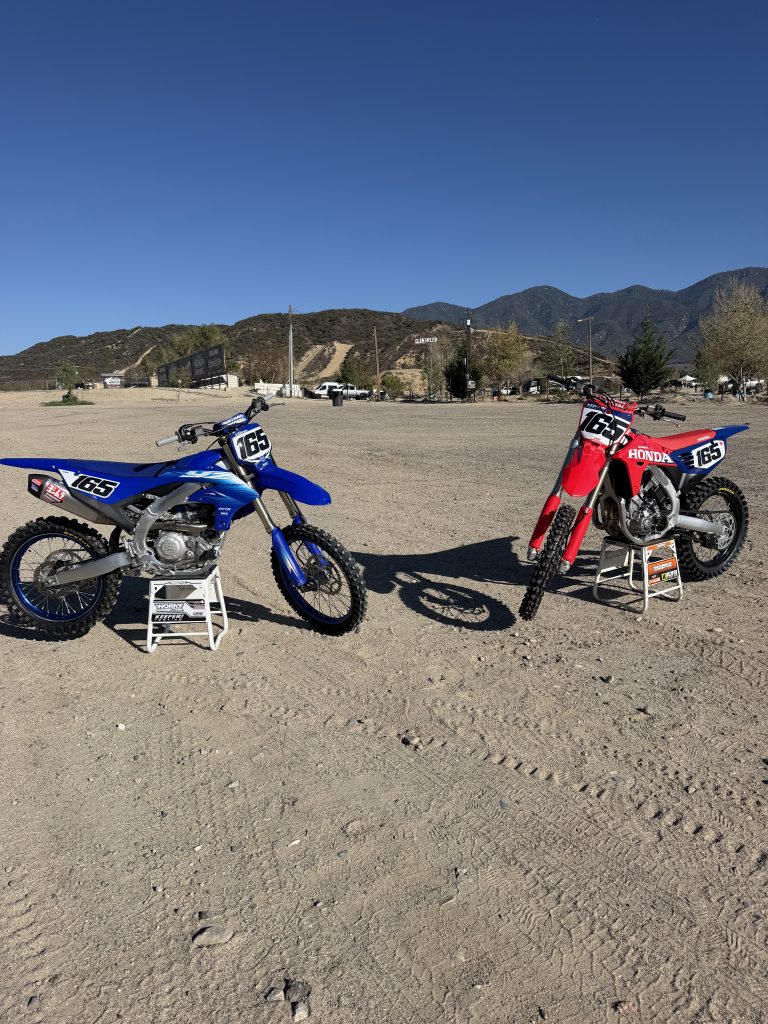
When comparing the 2027 Honda CRF450R and Yamaha YZ450F, you’re looking at two motorcycles that have different personalities on the track. Both machines are competitive, both have plenty of horsepower, and both can get around a motocross track at a high level. However, when you start breaking down how each bike delivers its power, how the chassis reacts to the track, and how comfortable each machine is over the course of a long moto, some noticeable differences begin to show up.
The biggest takeaway from this comparison isn’t necessarily which bike makes the most horsepower or which one feels the fastest. It’s about how each motorcycle allows the rider to use that power and how much effort it takes to ride each machine effectively.
ENGINE CHARACTERISTICS: CONNECTION VS. EXCITEMENT
One of the biggest differences between these two machines is how the power gets transferred to the rear wheel, especially at lower throttle openings.
Honda CRF450R:
The Honda has better low-rpm, low-throttle connectivity to the rear wheel than the Yamaha. When you’re rolling through a corner and beginning to pick up the throttle, the Honda delivers a more connected feeling between your right wrist and the rear tire.
This is something that doesn’t necessarily show up on a dyno but makes a noticeable difference on the track.
At approximately 5–15% throttle opening, the Honda allows the rider to feel what the rear tire is doing underneath them. This makes it easier to control rear-wheel traction, especially when the track becomes hard-packed, slick, or develops acceleration bumps coming out of corners.
The Honda doesn’t necessarily feel as exciting initially, but its power delivery is predictable and allows the rider to get on the throttle earlier without upsetting the chassis.
Yamaha YZ450F:
The Yamaha has a more exciting bottom-end character. When you initially crack the throttle, the YZ450F has a stronger sensation of acceleration and builds rpm quicker than the Honda.
The Yamaha’s engine spools up faster, which gives it a lively and aggressive personality.
For riders who enjoy a more responsive engine that builds rpm quickly, the Yamaha will probably feel more exciting.
However, that quicker-revving character doesn’t always translate into better rear-wheel connectivity. In certain track conditions, the Yamaha can feel slightly less connected to the rear tire at small throttle openings compared to the Honda.
The Yamaha feels like it wants to accelerate immediately, while the Honda feels like it allows the rider to meter out the power more precisely.
Engine takeaway: The Yamaha wins in initial excitement and quicker rpm response, while the Honda offers better low-throttle connectivity and rear-wheel control.
SUSPENSION: COMFORT MATTERS
Suspension comfort is another area where these two motorcycles begin to separate themselves.
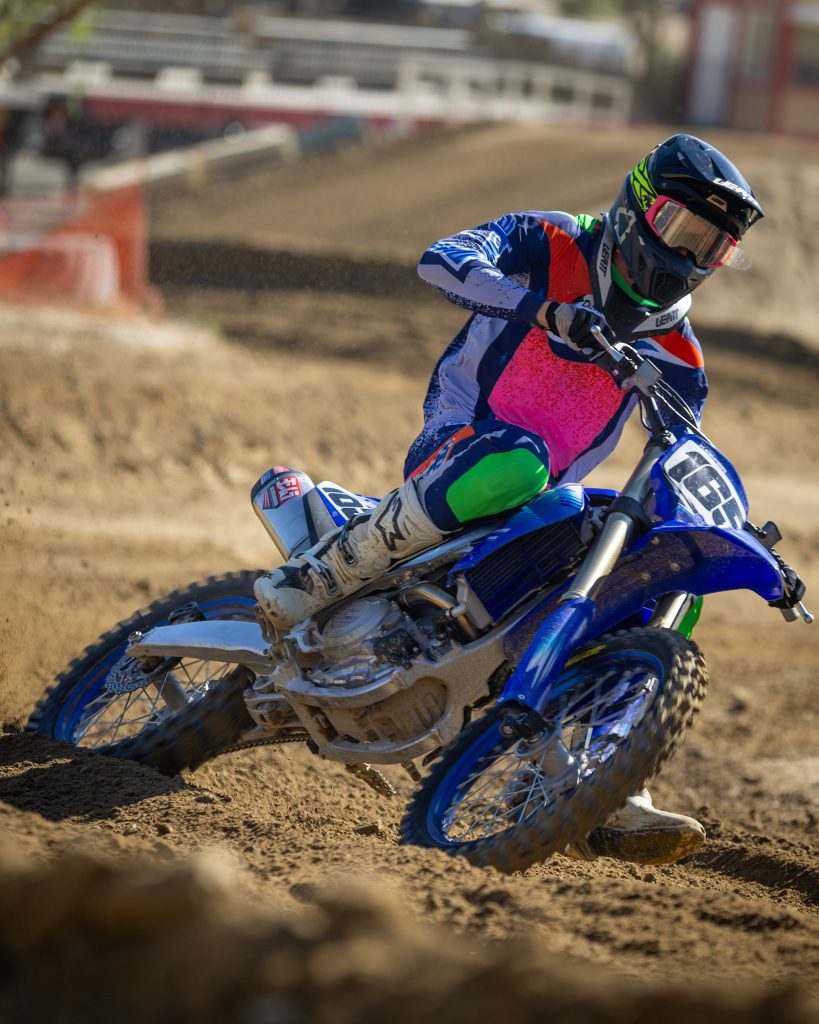
Yamaha YZ450F:
The Yamaha has the advantage when it comes to overall suspension comfort.
The KYB suspension offers a more comfortable feeling when encountering braking bumps, acceleration chop, and smaller square-edged bumps.
The Yamaha does a good job of absorbing track imperfections without transferring as much feedback into the rider’s hands and feet. This creates a more forgiving ride, especially when the track gets rough and the rider begins to fatigue. The YZ450F’s suspension allows the rider to remain comfortable while maintaining a good amount of chassis stability.
Honda CRF450R:
The Honda’s suspension has a firmer overall feel compared to the Yamaha. Although the Honda offers good performance, it doesn’t quite have the same level of initial comfort that the Yamaha provides. The Honda transfers slightly more track feedback to the rider, especially when encountering smaller chop and braking bumps.
However, that additional feedback isn’t always negative. Some riders may appreciate the more direct feeling that the Honda provides, particularly when trying to understand what the front tire is doing. The Honda feels more communicative, while the Yamaha feels more forgiving.
Suspension takeaway: The Yamaha has the advantage in overall suspension comfort, especially when the track becomes rough.
CHASSIS: COMFORT VS. FRONT-TIRE FEEL
This is where the comparison gets interesting. The Yamaha chassis has slightly more comfort when encountering bump impacts. The YZ450F does a better job of taking the sharpness out of certain track conditions, which helps reduce the amount of feedback transferred to the rider.
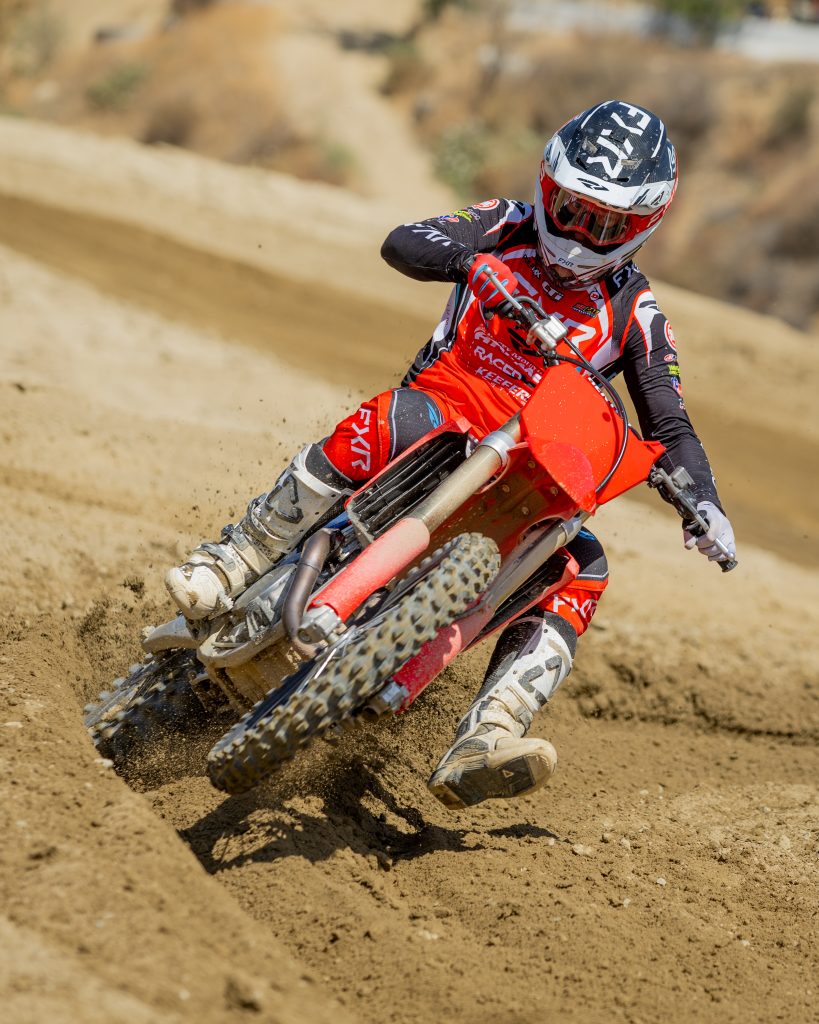
When riding through acceleration chop or small square-edged bumps, the Yamaha has a slightly more compliant chassis feel. However, the Honda has an advantage in another important category: front-tire feel. The CRF450R provides better communication between the front tire and the rider.
When entering corners, leaning the bike over, or trying to maintain a precise line through a rut, the Honda gives the rider a clearer understanding of what the front contact patch is doing. This can provide additional confidence when pushing the front end, especially on tracks where front-wheel traction is limited.
The Yamaha may be slightly more comfortable when hitting bumps, but the Honda provides a more connected feeling through the front end. For riders who prioritize corner-entry precision and front-wheel feedback, the Honda has a noticeable advantage. For riders who want a more forgiving chassis over rough terrain, the Yamaha may be the better choice.
Chassis takeaway: The Yamaha has slightly better bump comfort, while the Honda offers superior front-tire feel and communication.
ERGONOMICS: ROOM TO MOVE
The Honda CRF450R has the advantage when it comes to overall rider ergonomics. The Honda offers a roomier cockpit that allows the rider to move around more freely. For taller riders or riders who prefer additional space between the seat, footpegs, and handlebars, the Honda feels more accommodating.
The CRF450R allows the rider to transition between sitting and standing without feeling as confined. This additional room can also make it easier to move forward when entering corners or shift rearward when accelerating. The Yamaha has a slightly more compact feeling rider triangle.
Although the Yamaha’s ergonomics are functional, the Honda feels more spacious and allows for a greater range of rider movement. This is especially noticeable when spending extended time on the motorcycle.
Ergonomics takeaway: The Honda wins for its roomier cockpit and overall freedom of movement.
WHICH BIKE IS EASIER TO RIDE?
This depends on what characteristics the rider values most. The Yamaha provides a more exciting initial engine response, quicker rpm buildup, and better overall suspension comfort.
These characteristics make the YZ450F appealing to riders who want a lively engine combined with a forgiving ride over rough terrain. The Honda takes a different approach. Its better low-throttle rear-wheel connectivity, superior front-tire feel, and roomier ergonomics create a motorcycle that gives the rider more precise feedback.
The Honda allows the rider to better understand what both tires are doing underneath them. That connection can make a difference when trying to maintain traction, pick precise lines, and manage throttle input during longer motos. The Yamaha offers more comfort and excitement, while the Honda offers more connection and communication.
FINAL VERDICT
After comparing these two motorcycles, it’s clear that neither machine dominates every category. The 2027 Yamaha YZ450F has the advantage in suspension comfort, chassis compliance over bumps, and initial engine excitement.
The Yamaha’s quicker-revving engine gives it a lively personality that many riders will enjoy. On the other hand, the 2027 Honda CRF450R has better low-throttle connectivity to the rear wheel, improved front-tire communication, and a more spacious rider cockpit. These are characteristics that can become increasingly important when the track gets difficult and the rider begins to fatigue.
For riders who prioritize comfort and an exciting engine character, the Yamaha makes a strong argument. For riders who prioritize throttle precision, front-end confidence, and the ability to move around freely on the motorcycle, the Honda has some distinct advantages.
Bottom Line:
The Yamaha YZ450F is the more exciting and comfortable motorcycle, while the Honda CRF450R is the more connected and communicative machine. The Yamaha does a better job of isolating the rider from the track, while the Honda does a better job of letting the rider feel the track. Ultimately, the better motorcycle comes down to which of those characteristics allows you to ride with more confidence, less effort, and greater consistency. You will have to decide which of these characters are most important to you. Can you change some of these characters via modifications? Yes, of course but that is a whole other comparison!
Any questions? Email me at kris@keeferinctesting.com